











What Does a Healing Cap Do? Complete Guide for Dental Implant Patients

5月
Table of Contents
- What Is a Healing Cap?
- What Does a Healing Cap Do?
- Healing Cap vs. Abutment: Key Differences
- Types of Healing Caps
- The Healing Cap Placement Procedure
- How Long Do You Wear a Healing Cap?
- Care and Maintenance During the Healing Phase
- What Happens If a Healing Cap Falls Off?
- よくある質問
If you or a patient is going through the dental implant process, understanding what a ヒーリングキャップ does is essential. This small but mighty component plays a critical role in shaping the soft tissue around the implant site and preparing the mouth for a permanent restoration. In this guide, we break down every aspect of the healing cap — from its function and types to aftercare and what to expect during the process.
What Is a Healing Cap?
A healing cap — also called a healing abutment, gingival formerあるいは cover screw — is a small, rounded component that is attached to the top of a dental implant fixture after it has been placed in the jawbone. It sits just above or at the level of the gum line and remains in place during the osseointegration and soft tissue healing phases.

Unlike a final prosthetic abutment, the healing cap is a temporary device. Its sole purpose is to guide the gum tissue to form the correct shape around the implant before the permanent crown or bridge is attached.
Healing caps are typically made from titanium or medical-grade zirconia and come in various heights and diameters to suit different anatomical situations.
What Does a Healing Cap Do?
The healing cap serves several important functions during the implant restoration process. Understanding what a healing cap does helps both clinicians and patients appreciate why this step cannot be skipped.
1. Shapes the Peri-Implant Gingival Tissue
The primary job of a healing cap is to guide and mold the soft tissue (gums) surrounding the implant into a natural-looking contour. Without it, the gum tissue would collapse inward over the implant post, making it difficult to place the final restoration cleanly.
2. Protects the Internal Implant Connection
After implant surgery, the internal connection of the fixture must be kept clean and free from debris. The healing cap seals the top of the implant, protecting the internal thread and connection platform from food particles, bacteria, and saliva contamination during osseointegration.
3. Maintains the Emergence Profile
について emergence profile refers to the shape the gum tissue takes as it transitions from the implant to the eventual crown. A properly sized healing cap ensures this profile mimics a natural tooth root, producing an esthetic and hygienic result once the final prosthetic is placed.
4. Allows Assessment of Healing Progress
Because the healing cap is visible above the gum line, the clinician can observe the surrounding tissue at follow-up appointments — checking for signs of inflammation, infection, or improper healing — without disturbing the implant itself.
Healing Cap vs. Abutment: Key Differences
Patients often confuse the healing cap with the abutment because both attach to the top of the implant. Here is a clear comparison:
- Healing Cap: Temporary, rounded, no load-bearing function, used during the healing phase only.
- Prosthetic Abutment: Permanent (or semi-permanent), shaped to support a crown or bridge, placed after full osseointegration and tissue maturation.
Think of the healing cap as a placeholder and tissue sculptor. The abutment comes next and actually holds your final tooth replacement. For a deeper dive into what abutments do and how they differ from one prosthetic system to another, read our guide: アバットメントとは?アバットメントの重要な役割.
Types of Healing Caps
Not all healing caps are created equal. Manufacturers produce them in several configurations to address different clinical situations.
By Height
Healing caps come in varying heights — typically from 2 mm to 8 mm. The appropriate height depends on the thickness of the patient’s gingival tissue. A cap that is too short will be buried under the gum; one that is too tall will place unnecessary pressure on the tissue or feel uncomfortable for the patient.
By Diameter
The diameter of the healing cap should match the expected diameter of the final crown’s emergence. Narrow caps are used for thinner tissue or tighter spaces, while wider caps are used for broader implant platforms, such as those replacing molars.
By Material
- Titanium: The most common material. Highly biocompatible, durable, and easy to sterilize.
- Zirconia: Preferred in the esthetic zone (front teeth) because of its tooth-white color, which reduces the risk of a grey hue showing through thin gum tissue.
Customized Healing Abutments
In advanced cases — particularly for immediate implant placement — some clinicians use custom-milled healing abutments that are designed from digital scans of the patient’s anatomy. These provide a highly precise emergence profile right from the start.
The Healing Cap Placement Procedure
The healing cap is placed either at the time of implant surgery (in a one-stage protocol) or during a second minor surgical appointment (in a two-stage protocol).

One-Stage Protocol
In this approach, the healing cap is attached to the implant immediately after it is placed into the jawbone. There is no need to reopen the gum tissue later. The healing cap protrudes slightly through the gum and remains in place until osseointegration is complete.
Two-Stage Protocol
In the two-stage approach, the implant is placed and the gum is sutured closed over it with a cover screw in place. After a healing period of 3–6 months, a second minor surgery is performed to expose the implant, remove the cover screw, and attach the healing cap. The gum then heals around the cap over several weeks before the final restoration is made.
The choice between protocols depends on bone quality, immediate load conditions, and the surgeon’s clinical judgment.
How Long Do You Wear a Healing Cap?
In most cases, a healing cap remains in place for 2 to 6 weeks after it is exposed to the oral environment. During this time, the gingival tissue matures and stabilizes around the cap. After this phase, the dentist removes the healing cap and takes impressions or digital scans to fabricate the final restoration.
The total implant timeline — including osseointegration — can range from 3 to 9 months depending on the patient’s bone density, systemic health, and the protocol used.
Care and Maintenance During the Healing Phase
Keeping the healing cap area clean is critical for successful implant integration. Here are the key care instructions for patients during this phase:
- Gentle brushing: Use a soft-bristled toothbrush around the healing cap twice daily. Avoid applying excessive pressure directly on the cap.
- Saline rinses: Rinse with a warm saltwater solution after meals to reduce bacterial load around the surgical site.
- Avoid hard foods: Chewing hard or sticky foods near the implant site can dislodge the healing cap or stress the implant.
- No smoking: Smoking significantly impairs gingival healing and increases the risk of peri-implantitis.
- Regular check-ups: Attend all scheduled follow-up appointments so the clinician can assess healing progress and confirm the cap is properly secured.
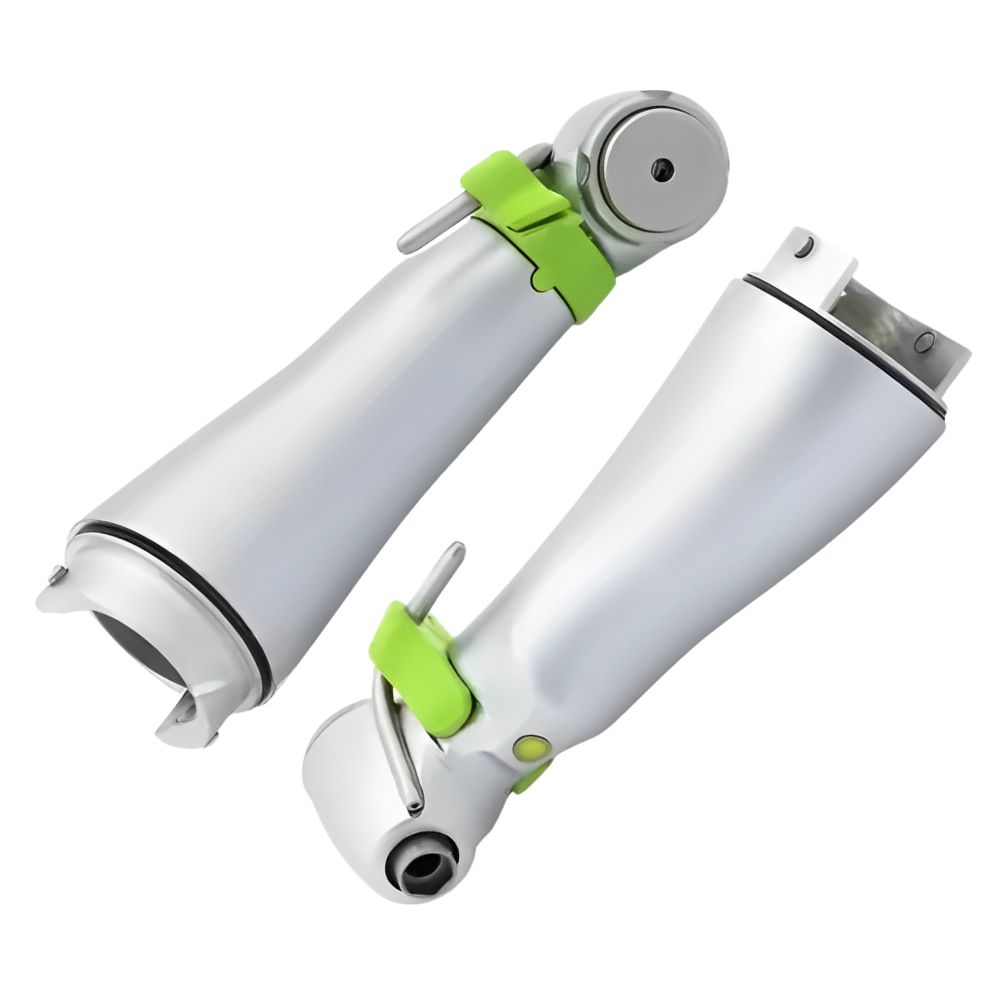
Proper instrument care in the clinic is equally important. Whether a dentist is placing a healing cap or performing other restorative work, well-maintained handpieces are essential for precision. Our 歯科用ハンドピース修理ガイド covers everything you need to know about keeping your equipment in top condition.
What Happens If a Healing Cap Falls Off?
Healing caps can occasionally become loose or fall out — especially if the patient bites down on something hard or if the cap was not torqued to the correct specification during placement. This is not an emergency, but it does require prompt attention.
If a healing cap falls off:
- Locate the cap and keep it clean.
- Call your dental office as soon as possible — ideally the same day.
- Avoid leaving the implant exposed for extended periods, as the gum tissue will begin to close over the opening.
- Do not attempt to reinsert it yourself without professional guidance.
In the clinic, the dentist will clean the implant connection, reattach the healing cap, and check the torque value to ensure it stays in place. For clinicians looking for reliable replacement parts and tools, our range of 歯科用ハンドピース交換部品 and implant accessories can support your practice needs.
Understanding each component of the implant chain — from the fixture and healing cap to the final prosthetic — is what separates a good outcome from a great one. Clinicians who invest in quality equipment and replacement parts consistently deliver better patient results. Whether you need KAVO Handpiece Replacement Parts or components for other leading brands, sourcing from a trusted supplier makes all the difference.
よくある質問
Is a healing cap the same as an abutment?
No. A healing cap (also called a healing abutment or gingival former) is a temporary component used to shape the gum tissue during the healing phase. A prosthetic abutment is the permanent piece that connects the implant to the final crown or bridge.
Does placing a healing cap hurt?
The procedure is performed under local anesthesia and is generally well-tolerated. After the anesthetic wears off, patients may experience mild soreness for 1–3 days, which is typically managed with over-the-counter pain relief.
Can I eat normally with a healing cap?
You should eat a soft diet for the first few days after placement and avoid chewing hard or sticky foods directly on the implant side throughout the healing period. Normal eating can usually resume gradually as the tissue heals.
How do I know if my healing cap is the right size?
Your implant surgeon or restorative dentist will select the appropriate height and diameter based on your gingival thickness and the planned final restoration. At follow-up appointments, they will assess whether the tissue is forming the correct emergence profile.
What happens after the healing cap is removed?
Once the healing cap is removed, the dentist takes an impression or digital scan of the implant site. A laboratory or in-house milling system then fabricates the final restoration — typically a crown — which is secured to a permanent abutment on the implant.