











Wiertło dentystyczne

styl
Czym jest wiertło dentystyczne, uchwyt dentystyczny? Kompletny przewodnik
Zastanawiałeś się kiedyś: “Czym jest wiertło dentystyczne, końcówka dentystyczna?” To znajome, buczące narzędzie do Twojego zęba! Zrozumienie tego precyzyjnego wiertło dentystyczne może zamienić niepokój w podziw.
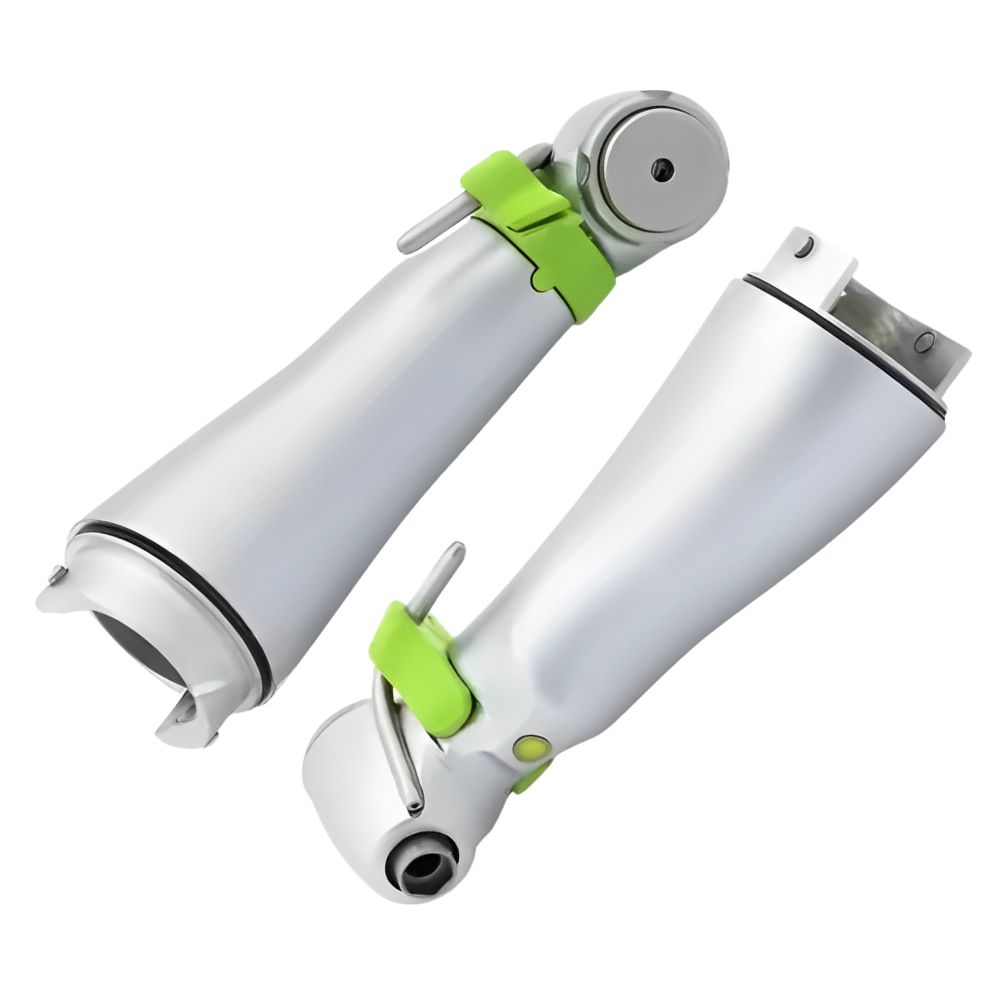
Ten niezbędny element sprzęt dentystyczny jest dokładniej nazywany końcówka stomatologiczna. To zaawansowane instrument obrotowy zaprojektowane do konkretnych zadań w jamie ustnej.
Jak działa końcówka stomatologiczna ? Większość nowoczesnych wersji to albo końcówka elektryczna lub końcówka pneumatyczna systemy. Sercem modelu o wysokiej prędkości jest jego turbina, obracający wiertło dentystyczne niewiarygodnie szybko, aby usuwać strukturę zęba.
Pomyśl o tym jak o zestawie narzędzi dentysty. Przełączają się między końcówką o wysokiej prędkości do cięcia (np. przygotowania ubytku) a końcówką o niskiej prędkości do polerowania wypełnienia lub precyzyjnych prac.
Właściwy końcówka stomatologiczna konserwacja jest kluczowe. Obejmuje to regularne smarowanie końcówek dentystycznych oraz ścisła sterylizacja końcówek dentystycznych zgodnie z protokołami autoklawowania wierteł. Ta procedura zapewnia bezpieczeństwo pacjenta i płynne działanie sprzętu.
Czym jest wiertło dentystyczne (końcówka dentystyczna)?
Definicja i podstawowe funkcje
Końcówka dentystyczna, często potocznie nazywana wiertłem dentystycznym, to precyzyjne narzędzie obrotowe. Jest podstawowym elementem wyposażenia stomatologicznego w każdym gabinecie.
Jej głównym zadaniem jest cięcie, kształtowanie i usuwanie twardych struktur zęba, takich jak szkliwo i zębina. Nowoczesne końcówki umożliwiają kontrolowane, precyzyjne i wydajne opracowanie zęba.
Są również używane do polerowania wypełnień, dopasowywania koron, a nawet w zabiegach chirurgicznych. Pamiętaj, że “wiertło dentystyczne” to termin potoczny, podczas gdy “końcówka dentystyczna” określa samo zaawansowane urządzenie ręczne.
Zrozumienie mechaniki i komponentów końcówki dentystycznej

Jak działają końcówki dentystyczne (mechanizmy wewnętrzne)
W swej istocie końcówka dentystyczna przekształca energię w siłę obrotową o wysokiej prędkości. Siła ta napędza narzędzie tnące zwane wiertłem. Mechanizm wewnętrzny to cud inżynierii precyzyjnej.
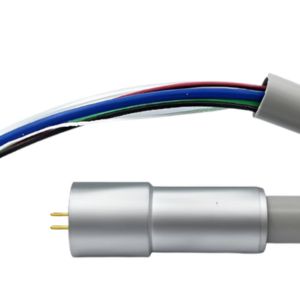
W końcówka pneumatyczna, sprężone powietrze obraca maleńką turbinę z niezwykłą prędkością. końcówka elektryczna wykorzystuje mały, wbudowany silnik elektryczny do generowania momentu obrotowego i obrotów.
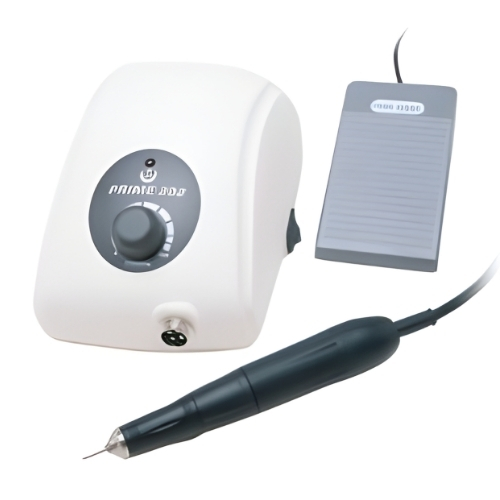
Oba są sterowane za pomocą pedału nożnego. Pozwala to dentyście zarządzać prędkością i kierunkiem bez użycia rąk.
Kluczowe komponenty (wiertła, uchwyty, łożyska)
Funkcjonalność zależy od kluczowych części. wiertło dentystyczne jest wymiennym narzędziem tnącym, które faktycznie pracuje na zębie.
Jest zabezpieczony w głowicy rękojeści za pomocą uchwyt, który chwyta trzpień wiertła. Wysokoprecyzyjne łożyska do rękojeści dentystycznych podtrzymują obracający się wał lub turbinę.
Te łożyska muszą wytrzymywać ekstremalne prędkości. Ich jakość wpływa na wydajność, wibracje i żywotność. Dlatego właściwa smarowanie końcówek dentystycznych jest tak kluczowa.
Moc Systems (Turbina powietrzna vs. Silnik elektryczny)
Dwa główne systemy napędowe definiują typy rękojeści. Rękojeści pneumatyczne są zasilane sprężonym powietrzem. Są bardzo szybkie, ale mogą brakować im momentu obrotowego przy niższych prędkościach.
Są również zazwyczaj głośniejsze, choć nowoczesne konstrukcje skupiają się na redukcji hałasu wiertła dentystycznego.
Rękojeści elektryczne mają zintegrowany silnik. Zapewniają stały wysoki moment obrotowy w szerokim zakresie ustawień prędkości wiertła dentystycznego.
Są generalnie cichsze i oferują lepszy control do wymagających zadań. Jednak wiążą się z wyższym początkowym kosztem wiertła dentystycznego.
Rodzaje rękojeści dentystycznych i podstawowa pielęgnacja
Rękojeści szybko- i wolnoobrotowe
Rękojeści są ogólnie kategoryzowane według prędkości roboczej. To określa ich zastosowanie kliniczne i konstrukcję.
Wysokoobrotowe końcówki: Zastosowania i RPM
Wysokoobrotowe końcówki to klasyczne “wiertło” do cięcia zębów. Działają w zakresie od 200 000 do 400 000 obr./min (obrotów na minutę).
Ta wysoka prędkość, wraz z natryskiem wodnym w celu chłodzenia, umożliwia szybkie i wydajne usuwanie próchnicy. Są używane do preparacji ubytków, preparacji koron oraz usuwania starych wypełnień.
Wiele z nich posiada oświetlenie światłowodowe w końcówce, które oświetla ząb.
Niskoobrotowe końcówki: Wszechstronność i konstrukcja
Niskoobrotowe końcówki działają w zakresie od 5 000 do 40 000 obr./min. Są używane do zadań wymagających większego momentu obrotowego i mniejszej prędkości.
Obejmuje to usuwanie miękkiej próchnicy, polerowanie wypełnień oraz profesjonalne czyszczenie (często z nasadową końcówką do skalingu ). Są niezbędne do precyzyjnych, szczegółowych prac.
Specjalistyczne końcówki do konkretnych procedur
Oprócz standardowych typów istnieją specjalistyczne końcówki do konkretnych dziedzin.
Chirurgiczne, endodontyczne i implantologiczne końcówki
A chirurgiczna końcówka tnie kość podczas zabiegów chirurgii jamy ustnej. Jest to elektryczna końcówka o wysokim momencie obrotowym i niskiej prędkości, przeznaczona do wierteł chirurgicznych.
An endodontyczna końcówka jest używana w leczeniu kanałowym. Napędza specjalne pilniki do oczyszczania i kształtowania kanału korzeniowego.
An końcówka implantologiczna służy do umieszczania implantów dentystycznych. Oferuje bardzo niską prędkość, wysoki moment obrotowy i precyzyjną control.
Prawidłowa konserwacja i sterylizacja
Rygorystyczna konserwacja końcówek dentystycznych oraz sterylizacja końcówek dentystycznych są niepodlegające negocjacjom. Przestrzeganie wytycznych CDC dotyczących urządzeń dentystycznych oraz protokołami autoklawowania wierteł jest obowiązkowe.
Po każdym pacjencie końcówki są czyszczone, smarowane wewnętrznie i sterylizowane w autoklawie. Są zaprojektowane, aby wytrzymać tę wysokotemperaturową parę.
Pominięcie smarowania grozi uszkodzeniem łożysk, prowadząc do naprawy wiertła dentystycznego. Regularne serwisowanie profesjonalne wymienia zużyte łożyska końcówek dentystycznych i uszczelki.
Przestrzeganie norm ISO dla końcówek oraz przepisów FDA dotyczących sprzętu dentystycznego zapewnia bezpieczeństwo i wydajność. Ta opieka chroni Twoją inwestycję i jest kluczowa dla zakażenia końcówką dentystyczną control.
Często zadawane pytania
Czym jest końcówka stomatologiczna lub wiertło dentystyczne?
Końcówka dentystyczna, często nazywana wiertłem dentystycznym, jest głównym narzędziem obrotowym używanym przez dentystę. To precyzyjny instrument zaprojektowany do cięcia, kształtowania i usuwania twardej struktury zęba, takiej jak szkliwo i zębina, podczas różnych procedur.
Jaka jest różnica między końcówką szybkoobrotową a wolnoobrotową?
Końcówki szybkoobrotowe pracują z bardzo wysokimi obrotami na minutę i są używane do cięcia struktury zęba, np. przygotowania ubytku. Końcówki wolnoobrotowe działają wolniej, z większym momentem obrotowym, i są używane do zadań takich jak polerowanie wypełnień czy usuwanie miękkiej próchnicy.
Jak działa końcówka dentystyczna?
Przekształca energię w siłę obrotową, aby obracać narzędzie tnące zwane wiertłem. Większość jest napędzana powietrzem, wykorzystując sprężone powietrze do obracania maleńkiej turbiny, lub elektrycznie, za pomocą wbudowanego silnika. Prędkość i kierunek są kontrolowane za pomocą pedału nożnego.
Dlaczego sterylizacja i konserwacja są tak ważne dla końcówek dentystycznych?
Ścisła sterylizacja i smarowanie są kluczowe dla bezpieczeństwa pacjenta i trwałości sprzętu. Końcówki są czyszczone, smarowane i sterylizowane w autoklawie po każdym użyciu, aby zapobiec infekcjom i zapewnić niezawodne działanie.
Jakie są główne typy układów napędowych w uchwytach dentystycznych?
Dwa główne systemy to pneumatyczny i elektryczny. Końcówki pneumatyczne są bardzo szybkie, podczas gdy elektryczne zapewniają stały wysoki moment obrotowy w szerszym zakresie prędkości i są zazwyczaj cichsze.