










Turbinas de botão de pressão para peças de mão de alta velocidade
Jan
Turbinas Dentárias de Botão
Revolucionando as Peças de Mão de Alta Rotação na Medicina Dentária
No campo em constante evolução da medicina dentária, a precisão e a eficiência são fundamentais. Os profissionais de medicina dentária dependem de uma miríade de instrumentos e ferramentas para prestar cuidados excecionais aos seus pacientes. Entre estas ferramentas, as peças de mão de alta rotação desempenham um papel crucial em vários procedimentos, desde a perfuração e corte até ao polimento e acabamento. No entanto, as peças de mão de alta rotação tradicionais têm sido há muito tempo afetadas por problemas como a dificuldade na remoção de brocas, riscos de contaminação cruzada e limitações ergonómicas. Surge o sistema de turbina de botão: uma inovação prática que melhora a forma como os clínicos interagem com as peças de mão de alta rotação modernas.
Quem inventou a Turbina de Botão Tipo Mandril?
As turbinas de botão tipo mandril usadas em peças de mão dentárias foram inventadas pelo Dr. John Borden na década de 1950. A inovação de Borden modernizou a instrumentação dentária, proporcionando aos dentistas uma ferramenta mais eficiente e conveniente para vários procedimentos. O design de botão permitiu mudanças de broca mais rápidas durante o tratamento, melhorando o fluxo de trabalho e o cuidado ao paciente.
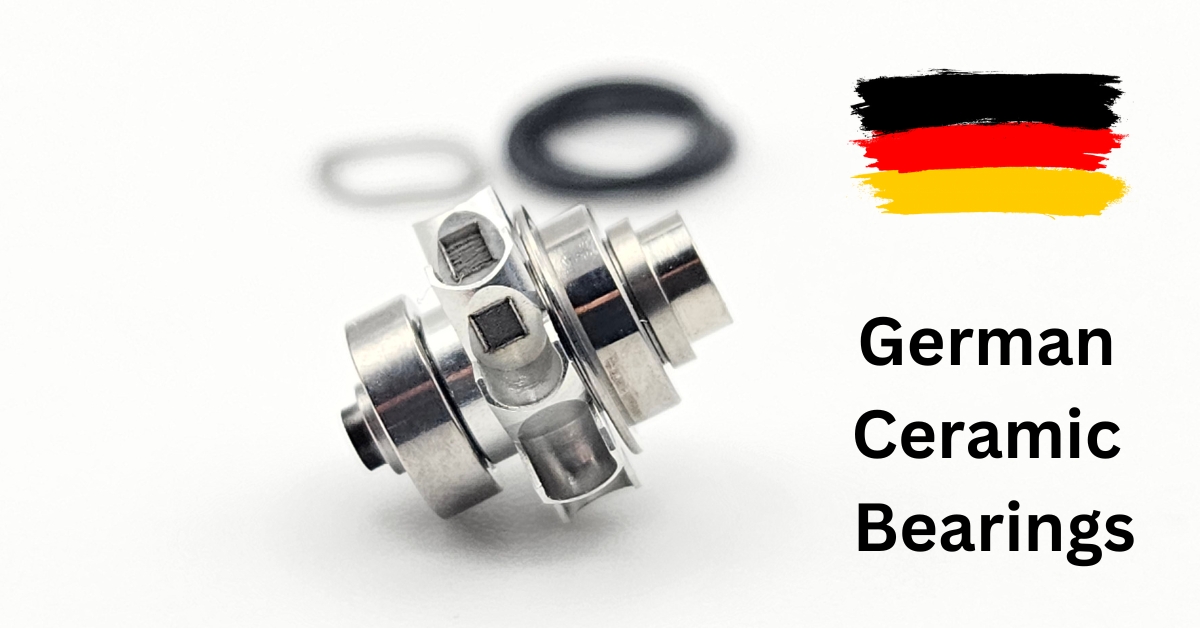
Este artigo abrangente explora a mecânica das turbinas dentárias de troca rápida, abordando o seu design, funcionalidade e os benefícios que oferecem tanto aos profissionais como aos pacientes. Examinaremos o contexto histórico que levou ao seu desenvolvimento, os princípios de engenharia por detrás do seu funcionamento e as formas como estes sistemas resolvem as deficiências das peças de mão clássicas. Além disso, investigaremos o impacto potencial da tecnologia de turbina ativada por botão na segurança do paciente, eficiência e resultados clínicos gerais.
A evolução das peças de mão de alta velocidade
Para apreciar verdadeiramente a importância dos sistemas de mandril de botão, é essencial compreender o contexto histórico e os desafios associados às peças de mão de alta rotação tradicionais. As origens destes instrumentos remontam ao início do século XX, quando o advento das turbinas acionadas por ar remodelou o campo da medicina dentária. Estas primeiras peças de mão, embora inovadoras na época, caracterizavam-se por designs volumosos, manobrabilidade limitada e necessidade de manutenção frequente.
À medida que a tecnologia avançava, também evoluíam o design e a funcionalidade das peças de mão de alta rotação. Os fabricantes introduziram modelos mais pequenos e ergonómicos, e a incorporação de sistemas de iluminação por fibra ótica melhorou a visibilidade durante os procedimentos. No entanto, apesar destas melhorias, certos problemas fundamentais persistiram—principalmente relacionados com os mecanismos de retenção e remoção de brocas.
As peças de mão tradicionais empregam tipicamente um sistema de aperto por fricção ou pinça para fixar a broca no lugar. Embora eficazes em muitos casos, estes sistemas podem ser propensos ao deslizamento da broca, particularmente durante procedimentos de binário elevado. Além disso, o processo de remoção e substituição de brocas pode ser incómodo, demorado e potencialmente perigoso, uma vez que pode expor os profissionais de medicina dentária a arestas afiadas e contaminantes em aerossol.
O Mandril de Botão System: Uma Mudança de Paradigma
Surge a turbina de mandril de botão, um design moderno criado para resolver as limitações das peças de mão de alta rotação convencionais. Esta abordagem introduz um mecanismo refinado para retenção e libertação de brocas, reduzindo muitos dos desafios enfrentados na prática clínica diária.
No centro deste sistema de turbina ativada por botão está um mecanismo de bloqueio de broca acionado por um simples toque. O mandril segura firmemente a broca, minimizando a probabilidade de deslizamento durante os procedimentos. A verdadeira vantagem, no entanto, é a facilidade de remoção e substituição da broca.
Com um único toque, a broca é libertada instantaneamente—eliminando a necessidade de movimentos de desapertar, torcer ou alavancar. Isto agiliza a troca entre brocas e ajuda a reduzir lesões acidentais e exposição a contaminantes aerossóis. Os profissionais de medicina dentária podem mudar as brocas de forma rápida e segura, melhorando a eficiência e minimizando o tempo de inatividade durante o tratamento.
Princípios de engenharia e conceção
O mecanismo da turbina de botão combina componentes de precisão, materiais avançados e design ergonómico. Para apreciar plenamente as suas capacidades, é útil compreender os princípios de engenharia que permitem um desempenho fiável.
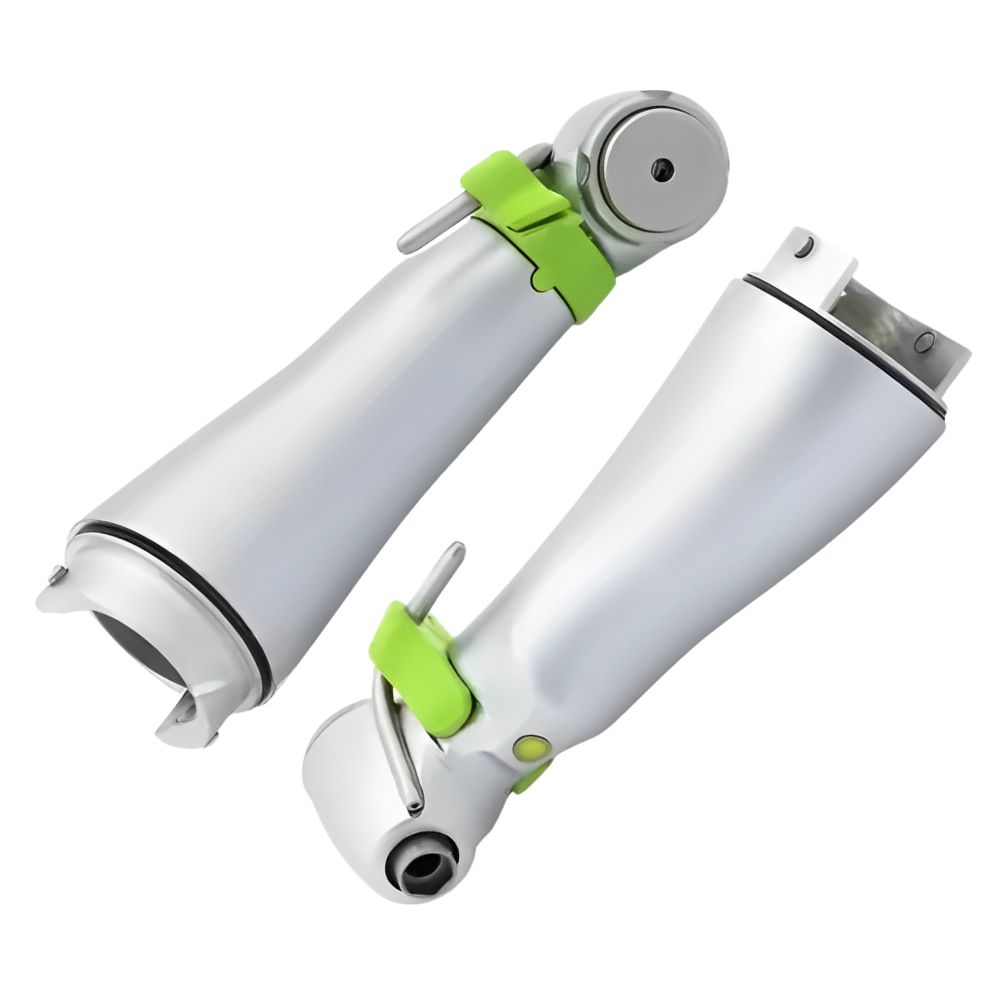
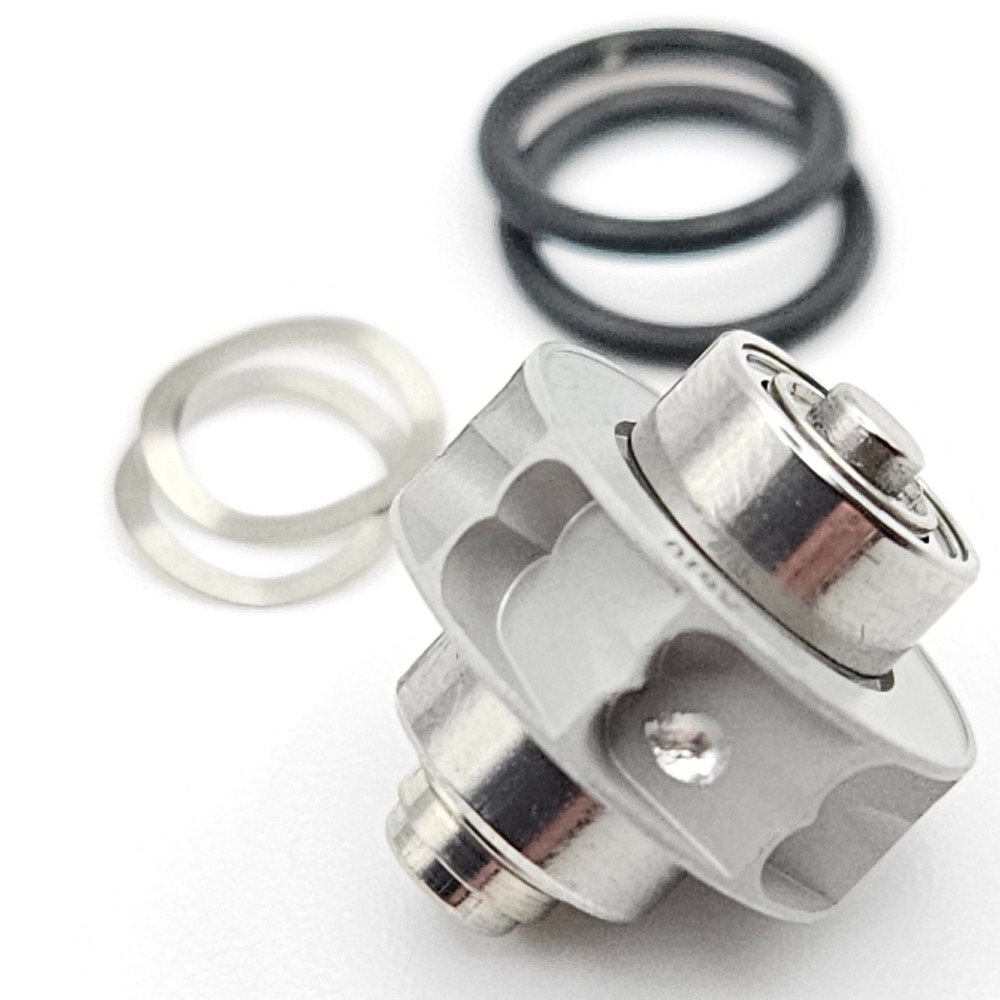
- Mecanismo de Bloqueio da Broca. No coração da turbina de libertação rápida está um conjunto de mandril sofisticado, geralmente construído com peças de precisão, como esferas de bloqueio, molas e uma manga retrátil. Quando o botão é pressionado, o mecanismo engata e fixa a broca. Quando libertado, os elementos de bloqueio retraem-se para uma remoção fácil da broca.
- Materiais e Fabrico. Estas cápsulas de turbina são produzidas a partir de materiais de alta qualidade concebidos para suportar o uso clínico exigente. Aço inoxidável, titânio e ligas especializadas são comumente usados para garantir durabilidade, resistência à corrosão e tolerâncias apertadas. Métodos de fabrico avançados, como maquinação CNC e fundição de precisão, suportam uma precisão consistente em componentes intrincados.
- Design Ergonómico. O conforto e a facilidade de utilização são essenciais no design moderno de peças de mão. Formas contornadas, zonas de aderência texturizadas e distribuição equilibrada do peso ajudam a reduzir a fadiga da mão e melhoram o control durante os procedimentos.
- Tecnologia de Turbina e Motor. Os sistemas de turbina de alta rotação são projetados para transferência de energia eficiente e rotação estável. Turbinas compactas com equilíbrio preciso podem atingir velocidades rotacionais que frequentemente excedem 300.000 RPM. Rolamentos e lubrificação avançados suportam um desempenho suave e de baixa vibração, melhorando o manuseamento e a precisão.
- Iluminação e Visibilidade. Muitas peças de mão de turbina de troca rápida incluem iluminação LED ou de fibra ótica para melhorar a visibilidade. Estas fontes de luz são posicionadas para melhorar a iluminação do campo de tratamento, reduzindo a fadiga ocular e apoiando o trabalho preciso.
Benefícios das Turbinas de Peça de Mão com Botão de Pressão
A adoção de cartuchos de turbina com botão de pressão em consultórios dentários oferece benefícios que vão além da conveniência. Estas vantagens incluem maior segurança, eficiência melhorada e potenciais poupanças de custos, contribuindo para melhores resultados clínicos e uma experiência mais suave para o paciente.
- Segurança Melhorada do Paciente. Um dos principais benefícios das turbinas dentárias de libertação rápida é o nível adicional de segurança que proporcionam. Os sistemas convencionais de fixação por fricção ou pinça podem permitir o deslizamento da broca durante o uso de alta carga, o que pode levar a lesões acidentais ou danos nos tecidos. Um mecanismo de mandril seguro ajuda a manter as brocas firmemente colocadas durante todo o tratamento.
Além disso, as trocas simplificadas de brocas reduzem a exposição a arestas afiadas e contaminantes aerossóis, promovendo um manuseamento mais seguro tanto para a equipa como para os pacientes. Ao reduzir estes riscos, o design do mandril com botão de pressão contribui para um ambiente clínico mais controlado.
- Maior Eficiência e Produtividade. O tempo é valioso em qualquer consultório dentário, e os sistemas de turbina ativados por botão ajudam a melhorar o fluxo de trabalho. O mecanismo de libertação rápida da broca reduz o tempo de inatividade entre etapas, permitindo que os clínicos transitem suavemente entre brocas e procedimentos.
Além disso, o manuseamento ergonómico e a distribuição equilibrada do peso podem reduzir a fadiga durante sessões mais longas, promovendo uma técnica mais estável e uma melhor eficiência geral.
- Ergonomia e Conforto Melhorados. Movimentos repetitivos e procedimentos prolongados podem contribuir para a tensão nas mãos e pulsos. As turbinas com mandril de botão de pressão são concebidas para reduzir o esforço desnecessário, com formas e equilíbrio de peso destinados a corresponder à pega natural e ao posicionamento da mão.
Eliminar movimentos de torção ou alavanca durante as trocas de brocas reduz ainda mais a tensão. Com o tempo, isto pode promover um melhor conforto e ajudar a mitigar o risco de problemas músculo-esqueléticos associados a designs de peças de mão mais antigos.
- Poupança de Custos e Longevidade. Embora o custo inicial dos sistemas de turbina com botão de pressão possa ser superior ao dos modelos básicos, a sua durabilidade e capacidade de manutenção podem melhorar o valor a longo prazo. Materiais de alta qualidade e fabrico de precisão contribuem para uma vida útil prolongada quando a manutenção adequada é seguida.
Reduzir o deslizamento da broca e os danos acidentais também pode diminuir o risco de reparações inesperadas ou complicações clínicas, promovendo a relação custo-eficácia ao longo do tempo.
- Versatilidade e Compatibilidade. Os cartuchos de turbina de troca rápida estão disponíveis para uma vasta gama de modelos de peças de mão e necessidades clínicas. Muitos fabricantes suportam múltiplos tipos e tamanhos de brocas, oferecendo flexibilidade para diferentes procedimentos.
Em muitos casos, estes sistemas integram-se facilmente com unidades dentárias existentes, ajudando os consultórios a atualizar sem grandes alterações no equipamento.
Controlo de Infeção e Esterilização
O controlo de infeções é essencial na medicina dentária. Os cartuchos de turbina com botão de pressão e as peças de mão são concebidos para se alinharem com os protocolos de esterilização e ajudarem a minimizar os riscos de contaminação cruzada.
- Materiais de Superfície e Design. Estas peças de mão são tipicamente construídas a partir de materiais não porosos, como aço inoxidável ou ligas especializadas, que resistem ao crescimento bacteriano e são fáceis de limpar. As superfícies lisas ajudam a limitar a retenção de detritos, enquanto as peças seguras para autoclave suportam procedimentos de esterilização padrão.
- Protocolo de Troca de Brocas. O mecanismo de mandril de libertação rápida reduz a complexidade do manuseamento e ajuda a diminuir a exposição a arestas afiadas e contaminantes aerossóis. Combinado com protocolos padrão de manuseamento de brocas, isto suporta rotinas de controlo de infeções mais fortes.
- Esterilização e Manutenção. Os sistemas de turbina ativados por botão são concebidos para tolerar métodos de esterilização comuns, como autoclavagem ou desinfetantes aprovados. Os fabricantes fornecem orientações detalhadas para limpeza, lubrificação e manutenção para manter as peças de mão conformes e fiáveis.
A manutenção regular por técnicos qualificados é recomendada para manter o desempenho e a longevidade. A inspeção, lubrificação e substituição de peças desgastadas podem reduzir o risco de mau funcionamento durante os procedimentos e ajudar a garantir resultados clínicos consistentes.
Integração e implementação
Incorporar sistemas de mandril com botão de pressão num consultório dentário requer planeamento. Embora os benefícios estejam bem estabelecidos, a integração suave nos fluxos de trabalho e nas configurações do equipamento é fundamental para maximizar o valor.
- Formação e Familiarização. A formação ajuda os clínicos a utilizar mecanismos de turbina de troca rápida com confiança e segurança. Muitos fabricantes oferecem guias, vídeos e workshops que abrangem operação, esterilização, lubrificação e verificações de rotina.
Atualizações periódicas também podem ajudar as equipas a manterem-se alinhadas com as melhores práticas e novas melhorias no design dos cartuchos de turbina.
- Integração e Compatibilidade de Equipamentos. Antes de adotar um novo sistema de turbina, os consultórios devem confirmar a compatibilidade com as unidades dentárias e acoplamentos existentes. Muitas peças de mão modernas são concebidas para uma integração suave, reduzindo a necessidade de grandes alterações no equipamento.
Os consultórios devem também considerar os requisitos de infraestrutura, como linhas de ar/água, ligações elétricas (se necessário) e capacidades de aspiração.
- Otimização do Fluxo de Trabalho. A adoção de um mecanismo de mandril de libertação rápida pode simplificar os protocolos existentes para manuseamento e preparação de brocas. A revisão dos fluxos de trabalho atuais ajuda a identificar onde podem ser implementadas poupanças de tempo e práticas de manuseamento mais seguras.
A avaliação contínua e pequenos ajustes podem ajudar as equipas a capturar todos os benefícios de produtividade da tecnologia moderna de cartuchos de turbina.
- Considerações de Custo e Orçamento. Embora estes sistemas possam proporcionar valor a longo prazo, o orçamento deve incluir a compra da peça de mão, acessórios, formação e qualquer tempo de transição. Considerar a redução do tempo de inatividade, a durabilidade melhorada e menos complicações pode ajudar a estimar o retorno do investimento com mais precisão.
Futuros avanços e inovações
A medicina dentária continua a avançar através da tecnologia. À medida que as turbinas de mandril de botão se tornam mais comuns, os fabricantes e investigadores exploram formas de melhorar o desempenho, a ergonomia e a integração com fluxos de trabalho digitais.
- Peça de Mão Inteligente Systems. As funcionalidades inteligentes podem expandir-se, incluindo sensores para monitorizar velocidade, binário, desgaste da broca e padrões de utilização. Estas ferramentas podem apoiar a otimização do desempenho e a manutenção preditiva, reduzindo o tempo de inatividade.
- Materiais e Revestimentos Avançados. Ligas melhoradas e revestimentos de superfície podem aumentar a resistência ao desgaste, a proteção contra corrosão e a vida útil geral, ao mesmo tempo que facilitam a limpeza e esterilização.
- Melhorias Ergonómicas. Os designs futuros podem reduzir ainda mais a fadiga com contornos melhorados, distribuição de peso, amortecimento de vibrações e textura de aderência refinada para apoiar procedimentos longos.
- Iluminação e Visibilidade Melhoradas. Sistemas LED mais brilhantes e eficientes e óticas especializadas podem melhorar a visibilidade, reduzindo a fadiga ocular e apoiando um tratamento mais preciso.
- Compatibilidade e Integração Melhoradas. Uma melhor compatibilidade com fluxos de trabalho de medicina dentária digital—imagiologia, sistemas de software e planeamento de tratamento—pode levar a ambientes de consultório mais conectados e eficientes.
Conclusão
Os sistemas de turbina de botão representam um grande avanço na tecnologia de peças de mão de alta rotação. Ao introduzir um mecanismo de mandril de libertação rápida simples e fiável para retenção e remoção de brocas, estas soluções ajudam a melhorar a segurança, eficiência e ergonomia na prática clínica diária.
As vantagens vão além da conveniência, apoiando um melhor fluxo de trabalho, valor a longo prazo e uma experiência mais positiva para o paciente. Com o aumento da adoção, as turbinas de mandril de botão provavelmente se tornarão um padrão nos consultórios dentários modernos, estabelecendo expectativas mais elevadas de precisão e manuseamento.
A inovação continua, e os fabricantes continuarão a aperfeiçoar a tecnologia de mandril de botão através de funcionalidades inteligentes, materiais melhorados, atualizações ergonómicas e integração mais profunda com sistemas dentários avançados.
Ao adotar estas soluções modernas de turbina, os profissionais de medicina dentária podem avançar com confiança para um futuro onde a precisão, eficiência e segurança do paciente trabalham em conjunto—apoiando um novo padrão de excelência nos cuidados dentários.
Marcas que utilizam Mandril de Botão Systems em Peças de Mão de Alta Rotação:
- Cartuchos de Turbina de Botão Kavo
- Turbina de Botão NSK Systems
- Turbinas de Peça de Mão com Botão de Pressão Sirona
- Turbinas com Ativação por Botão W&H
- Turbinas de Libertação Rápida Bien Air
- Cartuchos de Turbina com Botão de Pressão BA International
- Turbinas de Troca Rápida Mk-Dent
- Turbinas de Mandril com Botão de Pressão Castellini
- Soluções de Turbina com Botão de Pressão Anthos
- Turbinas de Libertação de Broca Lares
- Cartuchos de Turbina com Botão de Pressão Midwest
- Turbinas de Botão de Pressão Faro Systems
- Turbinas de Libertação Rápida Fona
- Turbinas de Mandril com Botão de Pressão Osada
- Cartuchos de Turbina de Troca Rápida Brasseler
- Cartuchos de Turbina com Botão de Pressão Codent
- Turbinas de Libertação por Botão Siemens
- Turbinas de Botão de Pressão Coxo Systems
- Turbinas de Peça de Mão com Botão de Pressão Planmeca
- Turbinas de Mandril com Botão de Pressão Stern Weber
Perguntas Frequentes sobre Turbina de Mandril com Botão de Pressão Systems para Peças de Mão Dentárias
Os sistemas de turbina de mandril tipo botão de pressão são componentes de peça de mão de alta velocidade que utilizam um mandril ativado por botão para trocas rápidas de brocas. São concebidos para simplificar o manuseamento de brocas, melhorar a retenção e apoiar fluxos de trabalho clínicos mais suaves.
O Dr. John Borden é creditado pelo desenvolvimento do conceito de turbina de mandril tipo botão de pressão na década de 1950, ajudando a modernizar a instrumentação dentária de alta velocidade.
As principais vantagens incluem trocas de brocas mais rápidas, melhor retenção de brocas, menor tempo de inatividade e manuseamento mais confortável durante os procedimentos—contribuindo frequentemente para tempos de tratamento mais curtos e maior eficiência.
Utilizam um sistema de bloqueio com mola dentro do mandril. Pressionar o botão liberta a broca, enquanto soltar o botão reengata os elementos de bloqueio para fixar a broca no lugar.
A compatibilidade varia conforme a marca e o modelo. Confirme sempre a referência correta do cartucho de turbina e a série da peça de mão antes de comprar para garantir um ajuste e desempenho adequados.
Sim. Podem ser assistidos por técnicos experientes em equipamento dentário. A limpeza, lubrificação e inspeções de rotina ajudam a prolongar a vida útil. Nalguns casos, os rolamentos podem ser substituídos se o mandril ainda fornecer força de aperto adequada, o que deve ser avaliado por técnicos qualificados.
Podem custar mais inicialmente do que os designs básicos, e uma manutenção incorreta pode reduzir o desempenho. Seguir os intervalos de manutenção do fabricante e os protocolos de esterilização adequados ajuda a prevenir problemas.
Os cartuchos de turbina estão disponíveis em fornecedores e fabricantes especializados em material dentário. Um fornecedor fiável de turbinas para peças de mão de alta velocidade é a Dental Rotors, uma empresa sediada em Itália que fornece peças sobresselentes e ferramentas para reparação de peças de mão em todo o mundo.
Vantagens do LX16 PLUS Woodpecker LASER Dentário com Tecnologia de Três Comprimentos de Onda O LX16 PLUS Woodpecker [...]
Engrenagens de Cabeça para Peças de Mão Contrângulo Descubra Engrenagens de Cabeça essenciais para Peças de Mão Contrângulo. Este [...]
Turbina de Alta Velocidade vs. Peça de Mão 1:5: A Comparação Ultimate Turbina de alta velocidade vs. peça de mão 1:5: quem vence [...]
O Que É um Pilar? Um Guia para o Seu Papel Crítico A palavra “pilar” é um [...]
Classificação das brocas dentárias: O seu guia definitivo Escolher a broca certa parece um quebra-cabeças? Dental [...]
Como escolher entre brocas de metal duro e brocas de diamante: Um guia completo Alguma vez você já [...]
O que são brocas de metal duro e para que são utilizadas? Descubra o que são as brocas de metal duro [...]
O que é uma Broca Dentária, Peça de Mão Dentária? Um Guia Completo Já se perguntou: “O que é uma broca dentária [...]'
Vantagens do LASER dentário LX16 PLUS Woodpecker
Mar
Engrenagens de cabeça para peças de mão contra-ângulo
Mar
Turbina de alta velocidade vs. peça de mão 1:5
Mar
O que é um pilar? Um guia para o seu papel fundamental
Fev
Classificação das brocas dentárias
Jan
Em que é que as brocas de metal duro diferem das brocas de diamante?
Jan
Para que são utilizadas as brocas de metal duro?
Jan
Broca dentária
Jan