








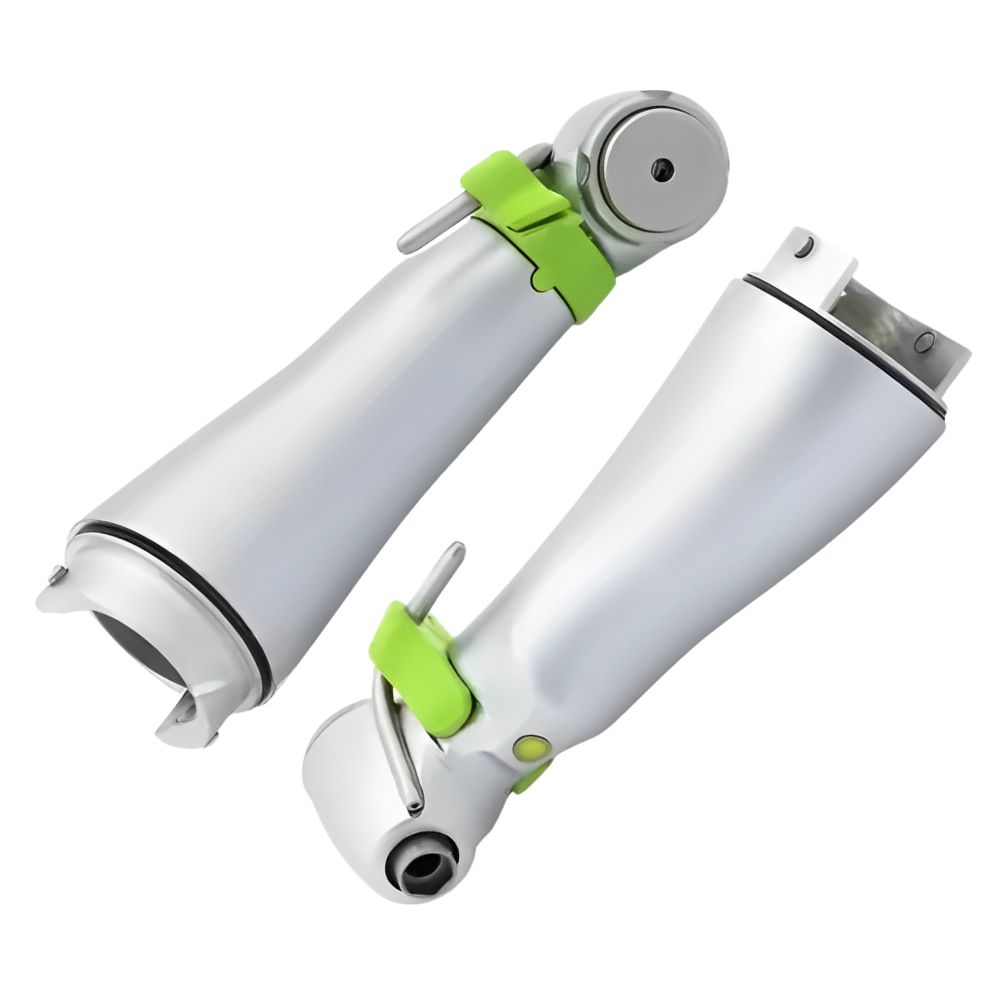



Převody hlavy pro úhlové násadce

Bře
Převody hlavy pro úhlové násadce
Discover essential Převody hlavy pro úhlové násadce. This guide covers maintenance and selection of reliable Head Gears for Contra Angles to keep your dental tools performing at their best.
Understanding Contra-Angle Handpiece Head Gears
What is a Contra-Angle Handpiece?
A contra-angle handpiece is a must-have rotary instrument in modern dentistry. Its angled head gives you perfect access to the back of the mouth. This design allows for precise control during procedures like cavity prep and polishing. Simply put, it’s central to efficient, ergonomic dental care.
The Essential Role of the Head Gear
The head gear is a critical protective sheath for your handpiece. It encases the working end, acting as a primary barrier against contaminants. Using head gears for contra angle handpieces is a non-negotiable standard for infection control. This practice is fundamental for preventing cross-contamination between patients.
Internal Components and Mechanics
Inside the contra-angle head, a complex set of gears and bearings drives the dental bur. These parts are finely tuned for specific speed and torque. Protecting these delicate mechanics from debris and moisture is exactly why rotary instrument head covers are so vital. Proper maintenance starts with shielding these internals.
Types and Applications of Head Gears

Speed and Gear Ratio Variations
Head gears are made to match different handpiece specs. The gear ratio directly affects the speed and torque at the bur. Picking the correct dental handpiece attachments and their protective gear is crucial for procedure success and safety.
High-Speed (1:5) Increasing Handpiece Head Gears
High-speed handpieces use a 1:5 gear ratio for fast, efficient cutting. High-speed handpiece covers must handle heat and fit securely without blocking the turbine. They’re key aseptic technique accessories for restorative and surgical work.
Low-Speed (1:1) and Reducing (e.g., 8:1) Handpiece Head Gears
Low-speed and reducing gear handpieces deliver higher torque for polishing or precise drilling. Their low-speed handpiece protection needs covers that fit various head shapes. This category includes prophylaxis angles, each requiring specific protective sheaths.
Specialized Head Gears for Dental Procedures
Endodontic Head Gears
Endodontics needs specialized contra-angles for canal work. The head gears for contra angles here fit longer, narrower nose cones. They maintain crucial dental instrument barriers during intricate root canal therapy.
Prophylaxis Head Gears
Prophylaxis angles are for cleaning and polishing teeth. Their dental prophylaxis angles often have a straight or contra-angle design. Disposable contra angle covers are hugely popular here, boosting hygiene and simplifying cleanup.
Attachment Systems and Compatibility
Compatibility is everything. Head gears must match your handpiece model and its attachment system. Always check a handpiece accessory catalog for the right sterilization caps for contra angles. It’s a fundamental step for infection prevention.
Key Factors in Selecting Contra-Angle Head Gears
Ergonomics and User Comfort
A good head gear shouldn’t add bulk or ruin your handpiece’s balance. It must provide a clear view and a comfortable grip. Comfort during long procedures is a major factor when choosing this dental assistant protective equipment.
Durability and Material Quality
Pro autoclavable headgear, material quality dictates its lifespan. Covers must survive repeated sterilization without tearing. High-quality plastics ensure your dental drill protective gear remains a reliable barrier.
Cost-Effectiveness and Warranty
Balance upfront cost with long-term value. Single-use headgear is convenient but adds recurring cost. Reusable types cost more initially—a solid warranty can signal good durability and affect your overall maintenance costs.
Maintenance and Longevity of Your Head Gears
Proper Cleaning and Sterilization Techniques
Reusable head gears for contra angles need a strict cleaning protocol. This means thorough cleaning, drying, and autoclaving by the book. Doing it right prevents damage and ensures effective sterilization every time.
Common Issues and Troubleshooting Tips
Watch for tears, fit issues, or residue buildup. Regularly check for punctures. If a cover is hard to install, double-check the model compatibility. Knowing how to cover a contra angle properly prevents most fit and function problems.
When to Consider Replacement or Repair
Replace covers immediately if you see cracks or tears. For reusable types, loss of elasticity or a cloudy look means it’s time to retire them. Making dental instrument barriers part of your routine checks ensures consistent patient safety.
Useful related reading:
Read more:
| Náhradní díly pro zubní násadce |
| Vysokorychlostní turbína vs. rukojeť 1:5 |
| Výhody zubního laseru LX16 PLUS Woodpecker |
❓ Frequently Asked Questions
What are head gears for contra angle handpieces?
Head gears are protective sheaths that encase the working end of a contra-angle handpiece. They act as a primary barrier against contaminants, making them a non-negotiable standard for infection control and preventing cross-contamination between patients.
Why is using head gears for contra angles so important?
Using head gears is fundamental for infection control, protecting both the patient and the delicate internal mechanics of the handpiece. They shield gears and bearings from debris and moisture, which is vital for maintaining the tool’s performance and longevity.
Are head gears different for high-speed and low-speed handpieces?
Yes, head gears are designed to match specific handpiece specs. High-speed handpiece covers must handle heat and fit securely, while low-speed handpiece protection needs covers that accommodate different head shapes and higher torque applications.
What procedures require specialized head gears for contra angles?
Specialized procedures like endodontics require specific head gears designed for the unique contra-angles used in canal work. Selecting the correct protective gear is crucial for both procedure success and maintaining aseptic technique.
How do head gears contribute to dental handpiece maintenance?
Head gears are the first line of defense in maintenance, protecting internal components from contamination and wear. This practice is essential for keeping your dental tools performing at their best and is a key part of a reliable maintenance routine.
💡 How to Select and Use Head Gears for Contra Angle Handpieces
7 Steps
- Understand the Purpose
Recognize that a head gear is a protective sheath essential for infection control. It acts as a barrier against contaminants, preventing cross-contamination between patients and protecting the handpiece’s delicate internal mechanics from debris and moisture. - Identify Your Handpiece Type
Determine your contra-angle handpiece’s speed and gear ratio, such as high-speed (1:5) or low-speed (1:1). The correct head gear must match these specifications to ensure proper fit and function without interfering with the turbine or bur operation. - Select the Appropriate Head Gear
Choose a head gear designed for your specific procedure. For high-speed cutting, select covers that handle heat. For low-speed, high-torque work like polishing, ensure the cover fits the head shape, including specialized types for prophylaxis angles or endodontic contra-angles. - Ensure Proper Fitting
Before use, verify the head gear fits securely over the handpiece’s working end. It should encase the head completely without being too loose or too tight, which could compromise protection or impede the handpiece’s performance during dental procedures. - Follow Aseptic Protocol
Always use a new, sterile head gear for each patient as a standard infection control practice. This is a non-negotiable step in maintaining aseptic technique and is fundamental for patient safety and the longevity of your dental instruments. - Inspect and Maintain
Regularly check head gears for any signs of damage, such as tears or poor fit, before application. Proper maintenance of these protective sheaths is crucial to ensure they effectively shield the handpiece’s internal gears and bearings during use. - Dispose or Sterilize Correctly
After single-patient use, dispose of disposable head gears according to clinical waste protocols. For reusable types, follow the manufacturer’s sterilization guidelines precisely to maintain their integrity and protective function for future procedures.