











High-Speed Turbine vs. 1:5 Handpiece
Mar
High Speed Turbine vs 1:5 Handpiece
High-Speed Turbine vs. 1:5 Handpiece: The Ultimate Comparison
High-speed turbine vs. 1:5 handpiece: who wins the race in your dental practice? The turbine is the sprinter when it comes to cutting hard enamel. Discover which tool offers greater precision and smoother operation — helping both you and your patients enjoy a more comfortable treatment experience.
High-Speed Turbine vs. 1:5 Contra-Angle: The Ultimate Comparison
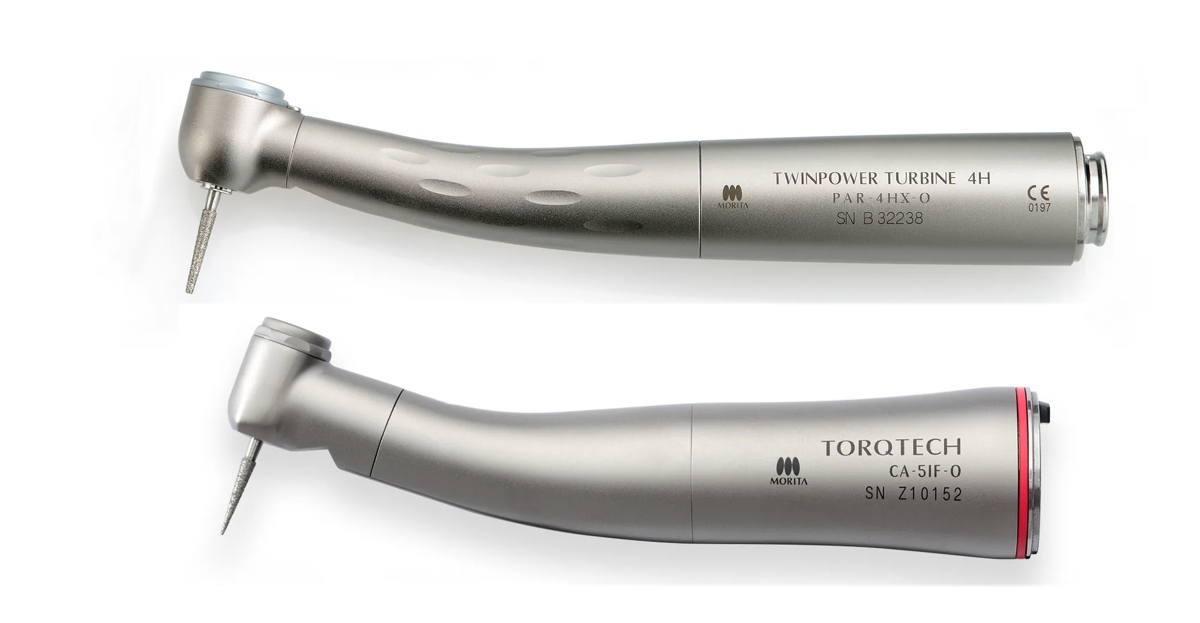
In everyday dental practice, both instruments are essential but serve different purposes. The high-speed turbine is the classic choice for fast work on enamel and dentin. The 1:5 contra-angle handpiece, often referred to as a speed-increasing handpiece, excels with high torque for precise procedures. The right choice depends largely on the specific treatment step.
Operating Principles and Technical Basics
The underlying technology behind these dental handpieces determines their performance. While one focuses on pure speed, the other stands out with controlled power.
The High-Speed Turbine in Detail

A high-speed turbine is powered by compressed air. The air stream hits a turbine rotor inside the head of the handpiece, causing it to rotate at extremely high speeds. Typical speeds range between 300,000 and 400,000 retations per minute.
This high rotational speed makes it ideal for the rapid and efficient removal of hard tooth material. For example, when removing an old amalgam filling, the turbine is virtually unmatched. Modern turbines also feature integrated cooling spray systems and LED lighting.
Understanding the 1:5 Contra-Angle Handpiece

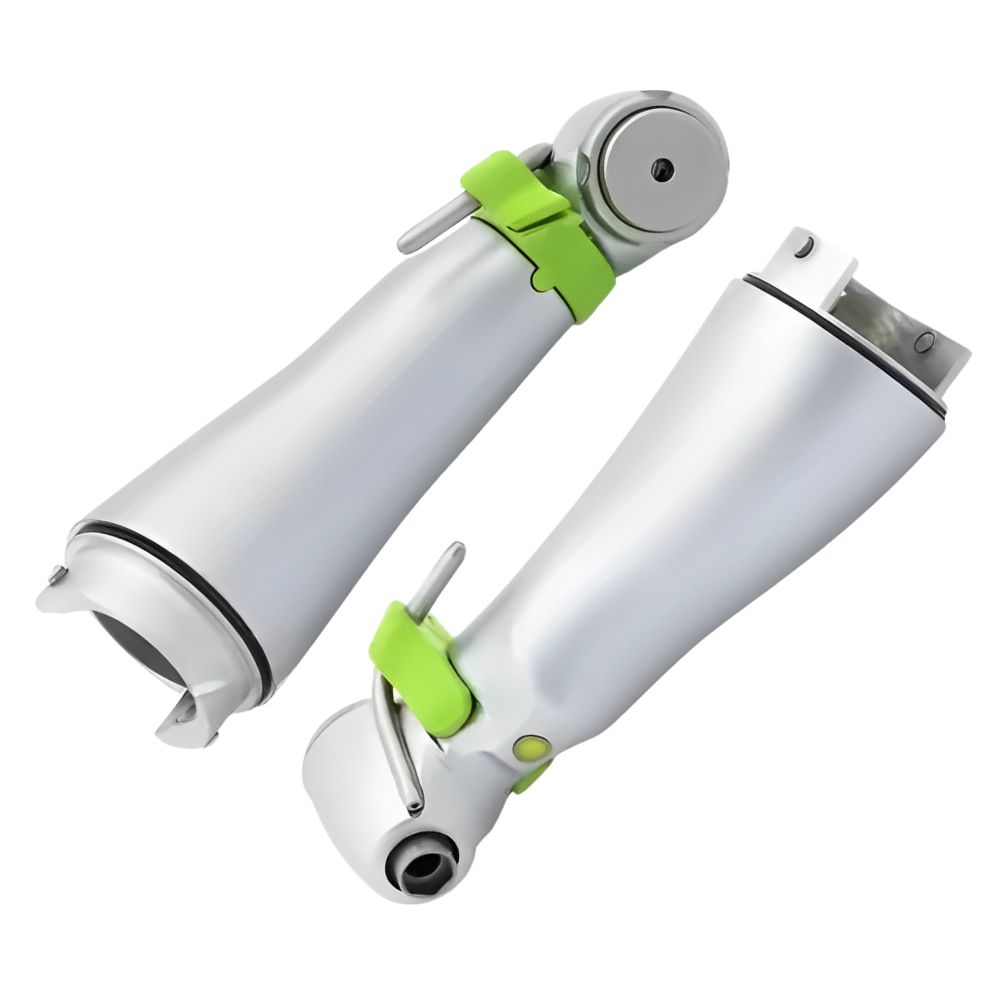
The 1:5 handpiece is a contra-angle handpiece with an integrated gear ratio. It is driven by either an electric or pneumatic micromotor. The internal gear mechanism multiplies the motor speed at a ratio of 1:5.
This increases rotational speed while maintaining significantly higher torque. Typically, it operates at speeds up to 40,000 rpm at the motor, which results in higher bur speed due to the gear ratio. It is ideal for procedures requiring controlled force, such as preparing an implant osteotomy.
Performance Parameters in Direct Comparison
A direct comparison of technical parameters highlights the strengths and limitations of each system.
Speed and Torque
The high-speed turbine is the undisputed champion of rotational speed. It enables extremely fast cavity preparation, although its torque is relatively limited.
The 1:5 contra-angle, thanks to its gear mechanism, provides high torque at moderate rotational speed. This is essential for controlled procedures such as bone shaping or post preparation. It may not spin as fast, but it delivers consistent cutting power.
Drive Systems: Air vs. Electric Motor
The turbine requires a stable and clean compressed air supply, and its performance can vary depending on fluctuations in air pressure.
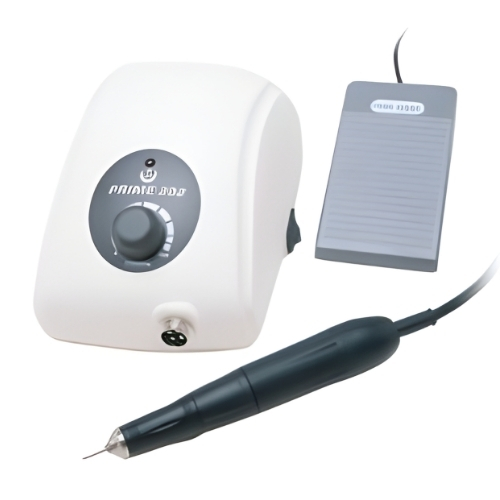
The 1:5 handpiece is usually powered by a high-performance electric micromotor, which provides constant torque across the entire speed range regardless of load. This results in smoother and more predictable operation.
Cooling, Light, and Noise Levels
Both systems today typically include water cooling and LED working lights as standard features. However, a noticeable difference lies in the noise level.
High-speed turbines produce a characteristic high-pitched sound due to the air-driven turbine and airflow. In contrast, 1:5 handpieces generally operate with less vibration and significantly lower noise, improving patient comfort.
Applications and Practical Differences
The strengths of each instrument determine where it fits into the treatment workflow.
Ideal for Rapid Material Removal: The Turbine
The high-speed turbine is the standard instrument for caries excavation and initial cavity shaping. It is extremely efficient at removing enamel and dentin.
It is also commonly used for removing old restorations and adjusting crowns, making it an excellent all-around tool for fast, rough work.
Precision and Control: The 1:5 Contra-Angle
Thanks to its high torque, the 1:5 handpiece excels in precise procedures. It is particularly important in implantology for bone preparation.
In prosthodontics, it is used for tooth preparation and polishing. It is also recommended for advanced endodontic procedures, such as root canal shaping. This is the instrument for delicate work where precision is critical.
Costs, Maintenance, and Ergonomics
Beyond performance, economic and hygiene considerations also play a significant role.
Purchase and Operating Costs
The purchase price of a high-quality high-speed turbine can be relatively high, but its operating costs are usually low.
A 1:5 contra-angle handpiece itself may be less expensive but requires a separate investment in a powerful micromotor. The question “Which is better for composite?” cannot be answered universally: use the turbine for rough shaping and the 1:5 handpiece for fine contouring.
Maintenance, Sterilization, and Lifespan
Both instruments must be reprocessed after each use in accordance with medical device regulations. Proper cleaning, lubrication, and sterilization according to manufacturer guidelines are essential to ensure long service life and safe operation.
Read more about:
Kavo Replacement Turbines
Dental Handpiece Repair Guide
Frequently Asked Questions About High-Speed Turbines and 1:5 Handpieces
The high-speed turbine provides extremely high rotational speeds (up to 400,000 rpm) for rapid removal of hard tooth material. The 1:5 handpiece uses a gear ratio to deliver high torque at moderate speeds (around 40,000 rpm) for precise and controlled procedures.
Use the turbine for fast, rough procedures such as caries excavation, removing old fillings, or crown adjustments. The 1:5 handpiece is ideal for precise tasks such as bone preparation in implantology, post preparation, and advanced endodontics.
The 1:5 handpiece typically operates with less vibration and significantly lower noise, improving patient comfort. High-speed turbines generate a characteristic high-pitched sound due to their air-driven turbine.
Yes. A high-speed turbine is powered by compressed air, while a 1:5 handpiece is usually driven by an electric micromotor, providing constant torque.
There is no universal answer. The turbine is more efficient for rough shaping of composite, while the 1:5 handpiece offers greater control for final contouring and polishing.