











What means Analog Duo Digital Compatible Prosthetic Abutments

Dec
Analog Duo Digital Compatible Prosthetic Abutments
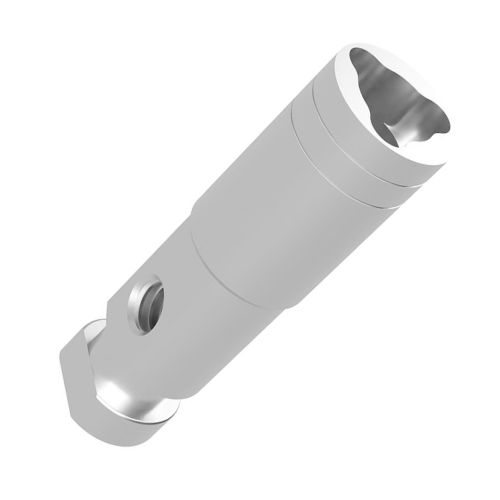
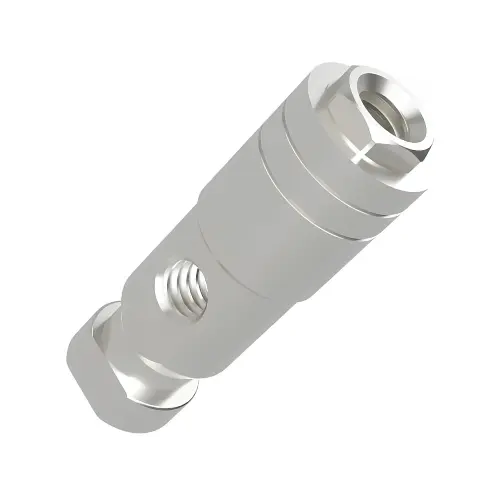
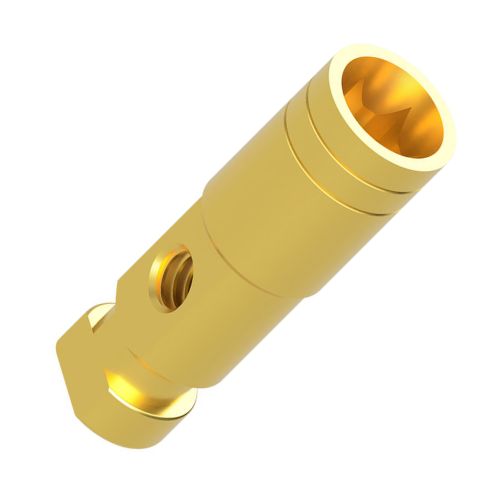
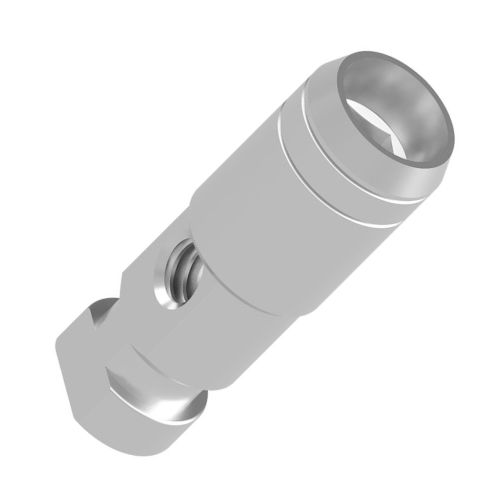
“Analog Duo Digital Compatible Prosthetic Abutments” means prosthetic abutments that can be used both in traditional (analog) workflows and in modern digital (CAD/CAM) workflows.
This dual compatibility simplifies daily work in mixed environments, where some cases follow a conventional path and others are fully digital. Laboratories do not need to stock separate components for each workflow, and clinicians can rely on consistent prosthetic accuracy across different case types.
Analog Duo abutments are available for multiple implant systems and platform diameters, allowing correct selection based on the specific implant connection. They are suitable for single crowns, bridges, and more complex prosthetic restorations where precision at the implant interface is critical.
By supporting both analog and digital processes with a single solution, Analog Duo prosthetic abutments help streamline laboratory workflows, reduce inventory complexity, and ensure reliable transfer of the implant position from model to final restoration.
Here’s a clear breakdown 👇
Prosthetic abutment
A prosthetic abutment is the component that connects a dental implant to the final restoration (crown, bridge, denture).
Analog
-
Traditional, physical workflow
-
Uses impression trays, impression materials, and stone models
-
Common in conventional dental labs
Digital
-
Digital workflow
-
Uses intraoral scanners, scan bodies, and CAD/CAM software
-
Restorations are designed on a computer and milled or printed
Duo / Analog + Digital Compatible
When an abutment is described as “Analog Duo Digital Compatible”, it means:
-
✅ Can be used with traditional impressions
-
✅ Can be used with digital scanning systems
-
✅ Same abutment works for both lab methods
-
✅ No need to buy separate components for analog vs digital cases
Why this matters
-
Flexibility for dentists and labs
-
Cost efficiency (one component, multiple workflows)
-
Future-proof: easy transition from analog to digital
-
Ideal for mixed environments (some cases analog, others digital)
In short
👉 One abutment, two workflows: traditional + digital
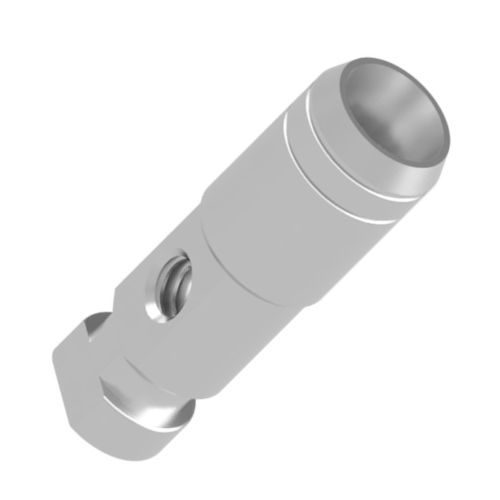
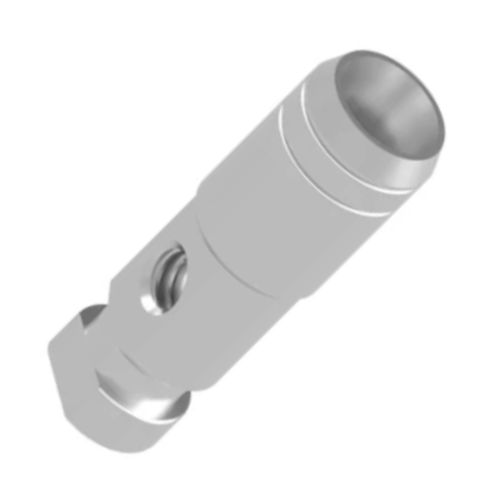
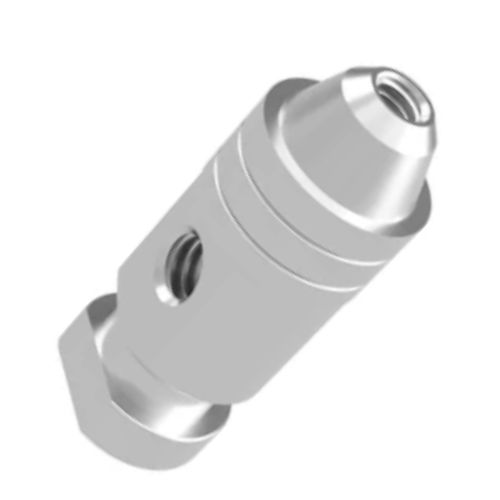


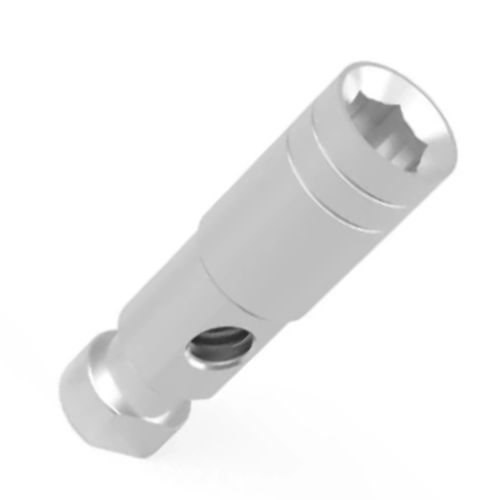
Analog Duo

Analog Duo
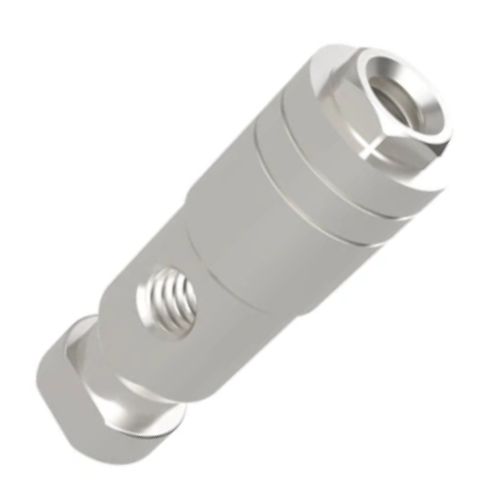
Analog Duo

Analog Duo
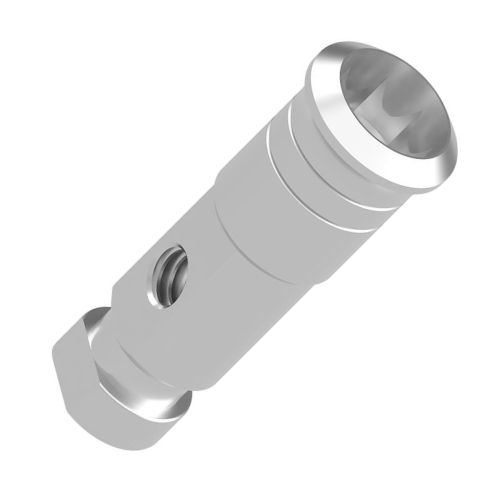
Analog Duo
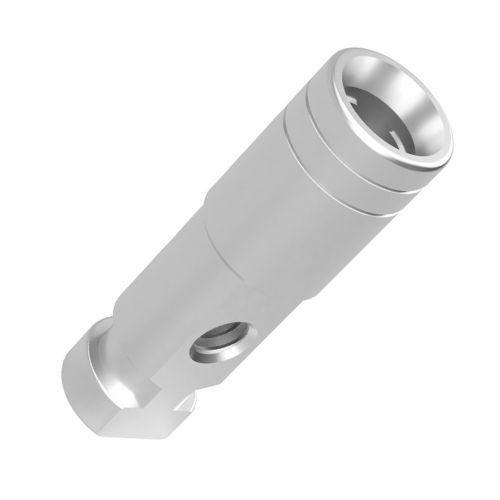
Analog Duo
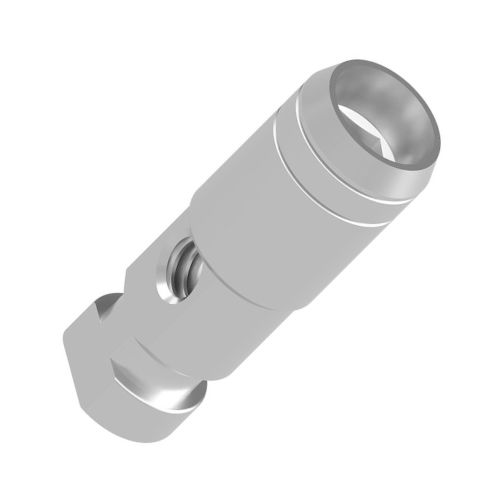
Analog Duo
Analog Duo
Analog Duo
Analog Duo

Analog Duo
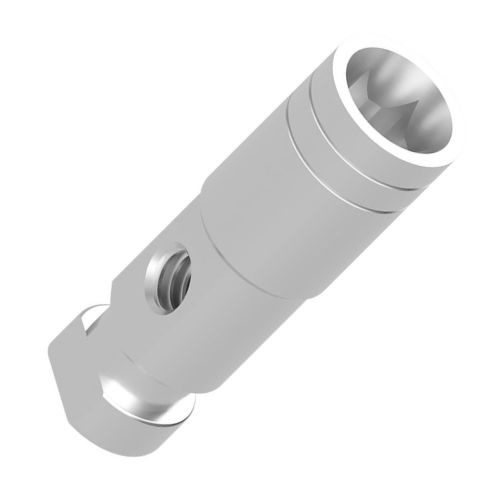
Analog Duo
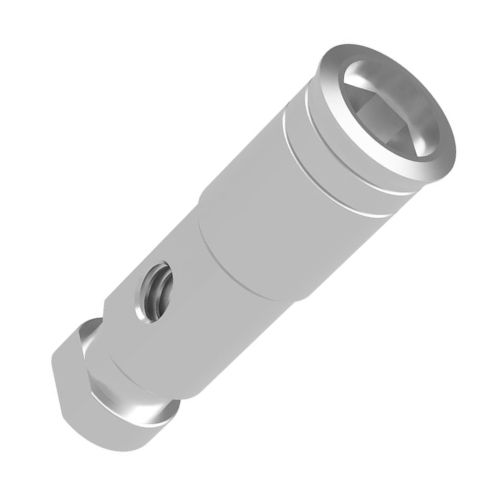
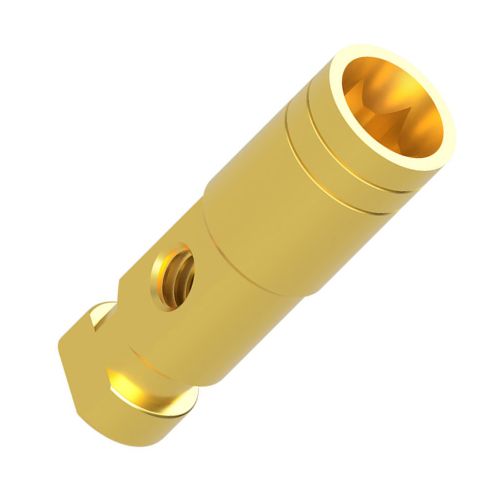
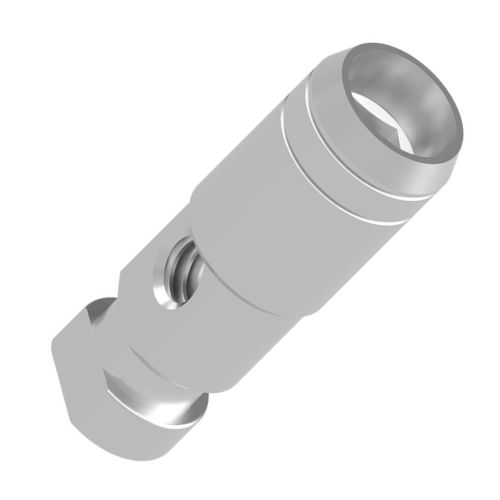
Analog Duo
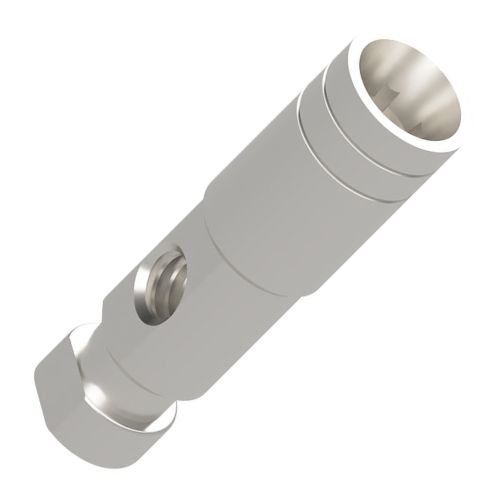
Analog Duo

Analog Duo

Analog Duo

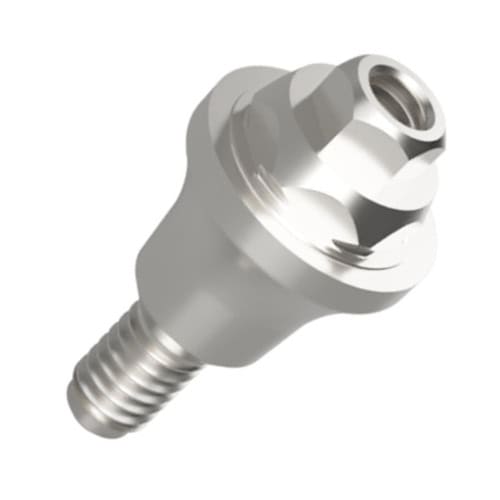

What means Analog Duo Digital Compatible Prosthetic Abutments
“Analog Duo / Digital compatible” in the context of prosthetic abutments (and, more precisely, implant analogues used for model work) describes components designed to work in both:
-
the classic analog workflow (physical impressions + stone model), and
-
the digital workflow (intraoral scan / lab scan + CAD/CAM + printed/milled model).
On your store, this is exactly how the Analog Duo items are positioned inside the Compatible Prosthetic Abutments category.
What “Analog Duo” usually is (in practical lab terms)
In most implant-lab workflows, the part called an analogue is the piece inserted into a model (stone or printed) to reproduce the implant connection accurately. The “Analog Duo” naming is commonly used for analogue designs intended to be reliable in two model types:
-
Plaster/stone models poured from conventional impressions
-
3D printed models generated from a digital scan and CAD design
So “Analog Duo / Digital compatible” does not mean “an abutment that is half analog, half digital”. It means the component is intended to be workflow-agnostic: you can keep the same system whether the case starts with an impression or with a scan.
Analog vs Digital vs Analog Duo (what changes, what stays the same)
| Topic | Analog workflow | Digital workflow | Analog Duo / Digital compatible |
|---|---|---|---|
| Starting point | Physical impression | Scan (intraoral or lab) | Works with either start |
| Model type | Plaster/stone model | 3D printed or milled model | Designed to seat reliably in both model types |
| How the implant connection is replicated | Analogue embedded in stone | Analogue embedded in printed/milled model | Same analogue concept, compatible with either model workflow |
| Why it matters | Reliable, familiar lab process | Speed, repeatability, easy archiving | No need to change components when switching between analog and digital cases |
Where Analog Duo helps in real cases (examples)
| Case | Problem you avoid | Why Analog Duo fits |
|---|---|---|
| Clinic is mixed: some dentists take impressions, others scan | Stocking different analogue types depending on workflow | One “family” of components supports both model approaches |
| Lab switches to digital gradually | Learning curve + duplicated inventory during transition | Keeps the implant-connection replication consistent while the workflow changes |
| Redo / remanufacture a restoration later | Mismatch between old stone model and new digital model | Makes it easier to maintain connection consistency between model generations |
Product examples (from your Analog Duo range)
Your store lists “Analog Duo” items under Compatible Prosthetic Abutments, with multiple implant-platform matches (examples below).
| System / connection | Example item | Typical selection detail |
|---|---|---|
| Straumann Bone Level | Analog Duo – Straumann Bone Level | Platform diameter options (e.g., Ø2.9 / Ø3.3 / Ø4.0) |
| Astra Tech Osseospeed | Analog Duo – Astra Tech Osseospeed | Chosen by platform/connection variant |
| MIS C1 / V3 | Analog Duo – MIS C1/V3 | Used when the lab must reproduce the MIS connection on the working model |
(Analog Duo within Prosthetic Abutments)